Community Attitudes Storytelling Competition
Stories have the power to challenge attitudes, build understanding and create change.
As part of PWDA’s Community Attitudes Storytelling Competition, LGBTQIA+ people with disability have shared their stories, experiences and perspectives on identity, inclusion and belonging.
We invite you to explore the stories and vote for your favourite in the People’s Choice Award.
People’s Choice Prize
- The People’s Choice winner is selected through a public vote.
- The winner of the People’s Choice Prize will receive AUD $1,500.00
When will winners be notified?
- People’s Choice winner: by 1 December 2026
- If a winner cannot be contacted or does not accept their prize within 7 days, another eligible entrant may be selected.
How to vote
- Explore the competition entries below.
- Read, watch or listen to the stories.
- Choose one story you would like to win the People’s Choice Prize.
- Submit your vote using the voting form.
*Note: Clicking on the blue “Vote for Competition ID” button under each artwork or story will jump to the voting form and preselect that entry in the form.
Voting closes: Thursday 26 November at 11:59pm.
Competition entries
Competition ID-1 The Festival of a Thousand Belles
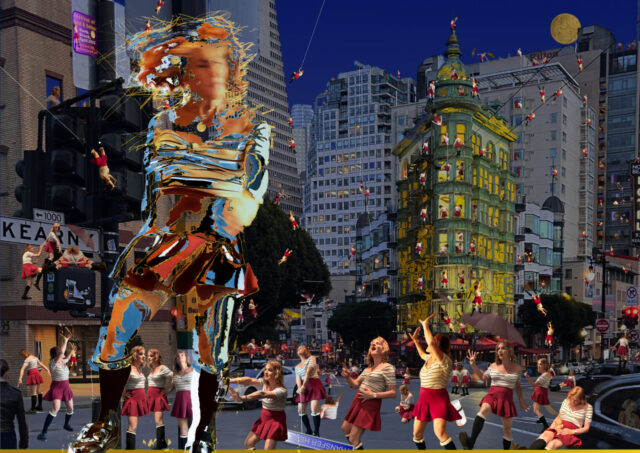
Naarm is home, but my heart rests in San Francisco. I knew I was a girl when I was seven, but it took San Francisco – first visited in the 1990s, then 30 years later – to put voice to my life. It lead me to other trans people who all felt the same pull towards this unique city.
In 2014, I was diagnosed with Early Onset Parkinson’s, a disorder that would only get worse. As my body started to feel early symptoms, my dreams woke me to an urgency to become a thriving woman before I became a crippled man.After more than a decade of transitioning, my body was growing weak and unreliable. Fortunately, Deep Brain Stimulation surgery (2023) undid some symptoms. My body finally looked female and I felt alive and sexy.
At last: Belle – the prodigal girl – was ready to return to San Francisco. I was welcomed in ways that left me crying with a heart open wide.
This work started with a photo of a three-street intersection that buzzes with the cultural legacies of Chinatown (migration), North Beach (cultivation) and Telegraph Hill (prosperity). To me, this is the heart of the city. The feature building – the lime green, flat-iron inspired Columbus Tower, the history of which was central to a novel I wrote in the 1990s – is very sentimental to me.
Standing there, I wondered: what would I do if I had the whole city to myself for one night. This work answers that. I realised that this intersection is my story: emergence into my place (migration), (growing up and taking control of my body (cultivation) and deep gratitude for what the universe has given me (prosperity).
This work is my moment of pure joie de vivre, my greatest gender euphoria, a celebration of life and self-actualisation.
Competition ID-2 Without Apology
Without Apology explores the heavy intersection of living as an invisibly disabled, neurodivergent, transmasc, and queer person in a world that is obsessed with public gatekeeping.
Every day, multiply-marginalised people encounter strangers who use the word “can’t” as a tool of erasure. They claim you are “too young” to experience chronic illness or dismiss gender diversity and queer identity because it disrupts their comfort. This piece contrasts this external hostility with the visceral, hidden realities of non-visible disabilities such as Visual Snow Syndrome, Migraines, Endometriosis, Autism, and ADHD, where pain, sensory overload, and identity exist continuously beneath the surface, regardless of whether others choose to acknowledge them.
For a long time, the fear of judgement forced a habit of hyper-masking, shrinking myself, and holding my breath in public spaces just to avoid scrutiny. I let strangers quietly dictate how much space I was allowed to occupy and how valid my lived reality was.
The poem captures the turning point in my life where survival shifts into active reclamation. It transforms from hiding to setting the absolute boundary that my body is not an argument to be won, and my identity does not need permission. By detailing the emotional tax of constant self-erasure alongside direct rejection of public gatekeeping, the entry asserts that disabled, queer, and trans people have an inherent right to exist in the open, unapologetically, authentically, and without owing anyone an explanation.
Competition ID-3 What Life Can Be
What Life Can Be – is a personal short documentary challenging perceptions of disability through Dane’s everyday life, love, adventure and ambition. It’s a reminder that disability doesn’t define the limits of a life.
Competition ID-4 Herman Newton
Herman Newton is the person I transformed the notion of hermeneutical injustice into. Through this lens, I explore the ways we are conditioned to compress ourselves as humans from the get go, even when our environs are not necessarily actively hostile. It is the lack of representation and the othering that occurs when you’re disabled and queer that crushes our wings before we have a chance to fly.
Competition ID-5 Women are who I love and Adore;Life is worth Living and Fighting for
My Poetic Narrative Story is about how I learned to overcome religious trauma and anxiety from the conversion practices I went through and trauma from. Homophobia and how I Also learned to accept myself as a loud, outspoken, blunt and direct adhd person and how I overcame fears and doubts about who I was and how I also overcame other people’s perception of who I was and threw off the false mask and disguise that I was wearing.
Competition ID-6 U.F.O. – Universal Formless Origin
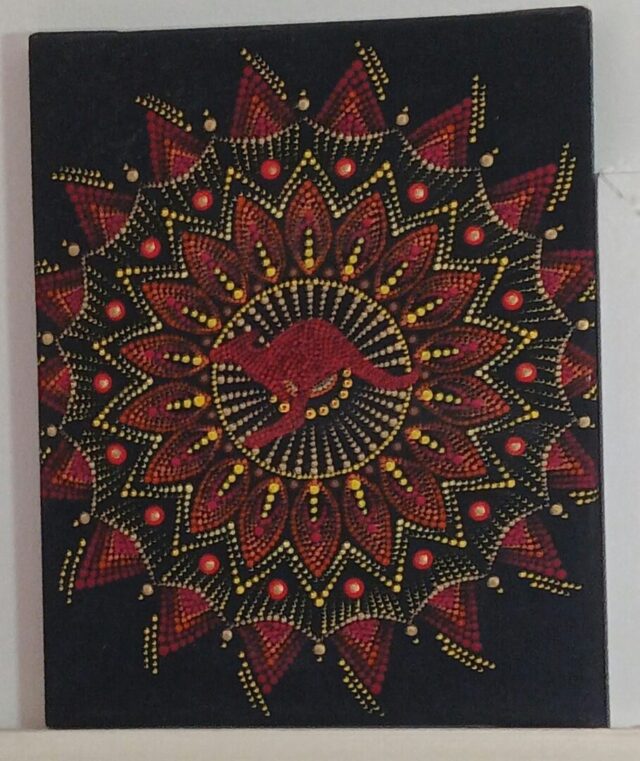
I am Agender. I feel no gender. I painted this 30x24cm mandala with dots. The red kangaroo jumps to the centre – its Origin. The black universe watches, but I am Formless and still One.
Competition ID-7 What I wish someone said
I am an autistic woman with a raging neuroses and sprint calibre brain, she is moving. As a queer person who came out in a world with just Ellen and Mitch and Cam from Modern Family – a world on the brink of an openness I couldn’t have imagined, I spent a fair amount of imagination making sense of what could have been. I love my coming out, but this would’ve been the bomb.com.
Competition ID-8 Endometriosis (provisional)
I identify as autigender, that my gender is entwined with my experience of autism. There is a major intersection between autism/neurodivergence and chronic health conditions, as there is a correlation between autism and lgbtq+ identity.
For me, a bad Covid-19 infection revealed an underlying Hypermobilty syndrome, and has led me down a path of specialists and diagnosis. A friend with endometriosis suggested I get a pelvic ultrasound to see if endo might be the cause of my chronic back and leg pain, digestive issues and hormonal migraines. My friend was right, my organs are fused together in my pelvic cavity. I had never had any issue like this before Covid. The diagnosis of endometriosis is provisional as they cant confirm until they cut me open & see the lesions in my body.
This poem is about the dysphoria of being in a medicalised AFAB body, and the desire to be more like nature; without a gender, a whole ecosystem instead. I don’t want to talk about pregnancy, contraception or surgery with doctors, I want to be something eternal & forever adapting to life. A forest, a river, the sky. My poem uses natural metaphors to explore my wish to become lighter and lighter, away from the weight of my painful body into fragments of pure light, perhaps even a rainbow refracted through rain.
Competition ID-10 I am greater than Enough
My poem I am greater than enough explores what it feels like to live with Parkinson’s, ongoing mental health challenges, and my identity as a LGBTQIA+ person. I write from the inside of these experiences, using emotion rather than medical language to show how disability reshapes my body, my relationships, and my sense of self. When I say “My body may have changed, my path may have twisted in ways I never chose,” I am speaking directly to the physical unpredictability of Parkinson’s—the stiffness, fatigue, and loss of control that quietly alter the rhythm of my days. These changes affect how I move through the world, but they also affect how I am seen, and sometimes misunderstood.
Mental health is present in the poem through the language of doubt, isolation, and longing. Lines like “This new rhythm is survival, not joy” reflect the emotional weight of living with chronic illness—the exhaustion, the grief for who I once was, and the ache for connection when people drift away. The poem captures the internal conflict of wanting to be held with understanding while feeling “too much” or “not enough,” a tension familiar to many disabled people.
My LGBTQIA+ identity shapes this story too. Being queer has taught me to live outside expectations, yet disability adds another layer of difference that can deepen invisibility. The poem challenges this by reclaiming my worth on my own terms. It shows how queerness and disability together create a perspective that is both vulnerable and powerful.
Ultimately, the poem is about resilience. It honours the reality of Parkinson’s and mental health struggles while affirming that my identity—queer, disabled, evolving—is whole, valid, and enough.
Competition ID-11 The truth about my Gender
In 2001 people everywhere like High School or family ask me are you a Girl or Boy and i prefer not to answer until i got myself suspended and Detention alot when I didnt review my Gender identity until 2022 i found out i was really Non-binary and my pronouns were They/Them when i joined alot of Queer Groups and represent myself at work alot of anti- Queer and prejudice people disrespecting me for being gay and non-binary and my pronouns They/ Them it was terrible how i felt at School, at Work and with family as well until o became famous at all the Queer communities and Studio A and im proud of myself for who i am
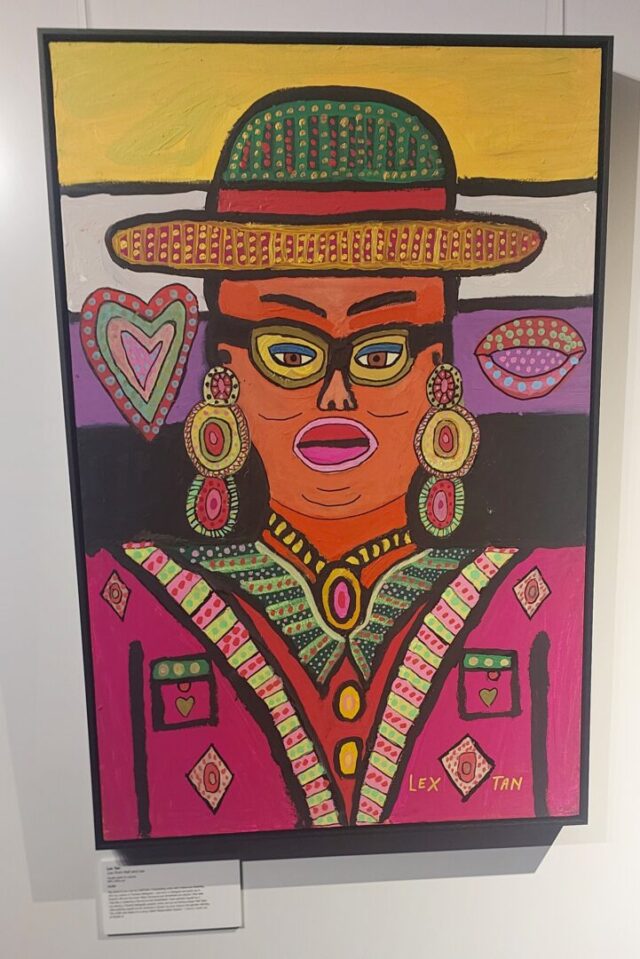
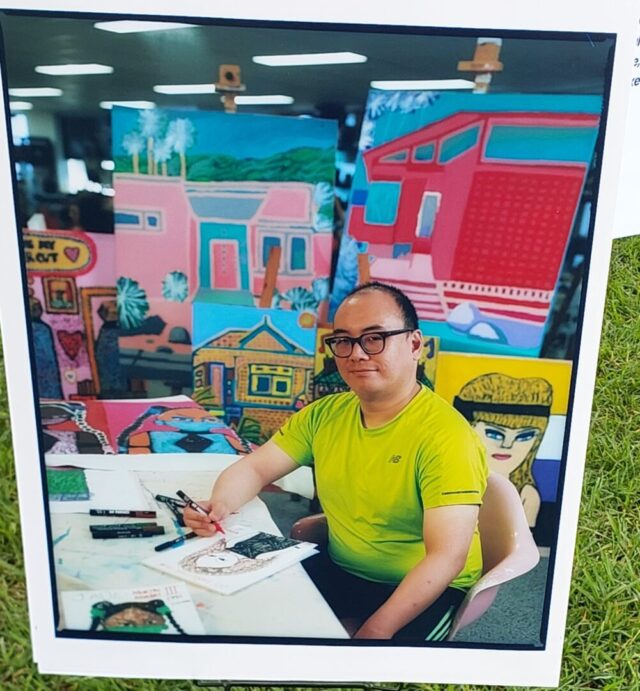
Competition ID-12 Pattern Recognition Machine
The lyrics are an exploration of the brutal side of living within the intersection of AuDHD, CPTSD, gender diversity, and the aro-ace paradigm while navigating the corporate and bureaucratic reality of a hetero-normative world. The lyrics and voice are mine. I used the paid tier of Suno.ai for the beats. I’m less interested in winning and more interested in sharing that you can use your voice and words with ai generated music to fight against the systemic oppression and gatekeeping that is our reality.
Competition ID-13 Jupiter Writing
The story speaks to my experience of autistic burnout and overwhelm and how spotting Jupiter from my inner-city terrace gave me a moment to reflect and a strange sense of comfort. The story is one of hope, and honesty, both qualities necessary, I believe, for navigating the world as a LGBTQIA+ person with disability.
Competition ID-14 It’s Ok to be A
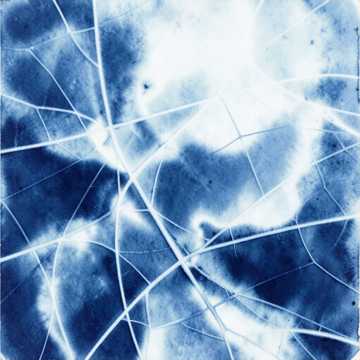
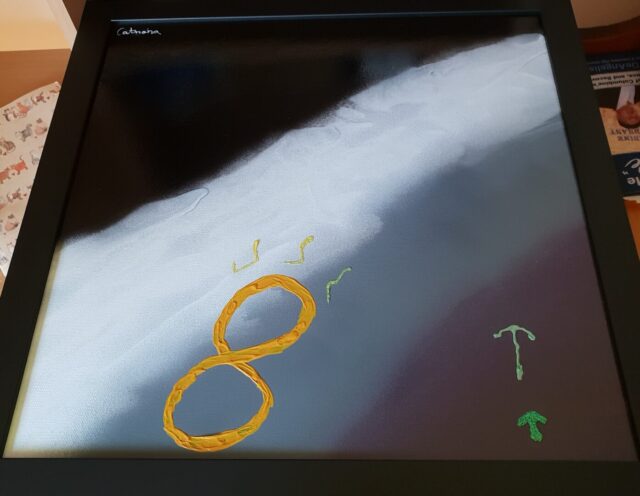
I am an artist based in Werribee, Victoria. I have been creating art on a hobby basis for around 23 years, primarily working in abstract art using spray paint on canvas.
Colour is an important part of my creative process. I enjoy mixing and matching colours and exploring how they interact, but I also use colour to represent identity, emotion and lived experience.
A strong influence on my work is the intersection between asexuality and autism. As an autistic and asexual person, these are not separate parts of who I am. They overlap and shape the way I experience identity, connection and the world around me. In pieces exploring these themes, I use colour and abstraction to represent experiences that are not always easy to communicate through words.
My art is also about visibility. Asexuality can still be misunderstood or overlooked within wider conversations about LGBTQIA+ identity, just as autistic people can experience pressure to fit expectations about relationships, attraction and how we are supposed to connect with others. Through creativity, I want to challenge the idea that there is only one correct way to experience relationships, attraction or human connection.
Competition ID-15 The Space Between: Growing Up AuDHD, AroAce, and Finding Peace in Being Different
My creative story explores the intersection of being autistic and being asexual and aromantic (aroace). Research suggests that asexual and aromantic identities are more commonly reported among autistic people, but they are not exclusive to autism, and every person’s experience is individual.
For me, being aroace does not mean that I don’t want connection, intimacy or someone special in my life. I experience attraction differently. I can feel a strong platonic attraction to women and want a deep, meaningful relationship with someone without experiencing the romantic or sexual attraction that society often assumes should be part of that relationship.
My story explores what it means to want a special person while trying to understand where friendship ends and other forms of connection begin. It challenges the idea that romantic and sexual relationships are automatically more meaningful than platonic ones.
Being autistic has also shaped the way I understand relationships, identity and belonging. Sometimes the usual social expectations around relationships do not fit me, and finding the language of asexuality, aromanticism and queer platonic relationships has helped me understand that there are other ways of loving and connecting.
Through my story, I want to show that LGBTQIA+ disabled people can experience connection in many different ways. A relationship does not have to be romantic or sexual to be deep, committed, loving and important.
Competition ID-16 Everyone is Welcome
This short story’s based on various real interactions I’ve had at various different workplaces and I’ve tried to slip in various subtle, ingrained habits that hurt or impact me in my day-to-day life that largely don’t go acknowledge or noticed by people who don’t live at my intersection of LGBTIQA+ identity and disability. One of the things I’ve been thinking about lately is how much of my interaction actually ends up being accommodations for the people around me (accepting phone calls, playing by neurotypical social rules, speaking out loud when if I could do it pragmatically I would ONLY ever type to communicate) versus how very few accommodations I am actually offered in return.
Anyway, there’s this problem I’ve been having where every time I access something that’s inclusive, it’s inclusive to just one of my identities, or it’s inclusive in a way that doesn’t actually reach my exact identity but sort of gestures vaguely toward my community. This story is a pretty explicit look at the social model of disability, the social stigma of self-advocacy, and the impact of being an LGBTIQA+ person with a disability specifically in a workplace — through the lens of actual events I’ve experienced in various actual workplaces.
Competition ID-17 Rainbow Rider
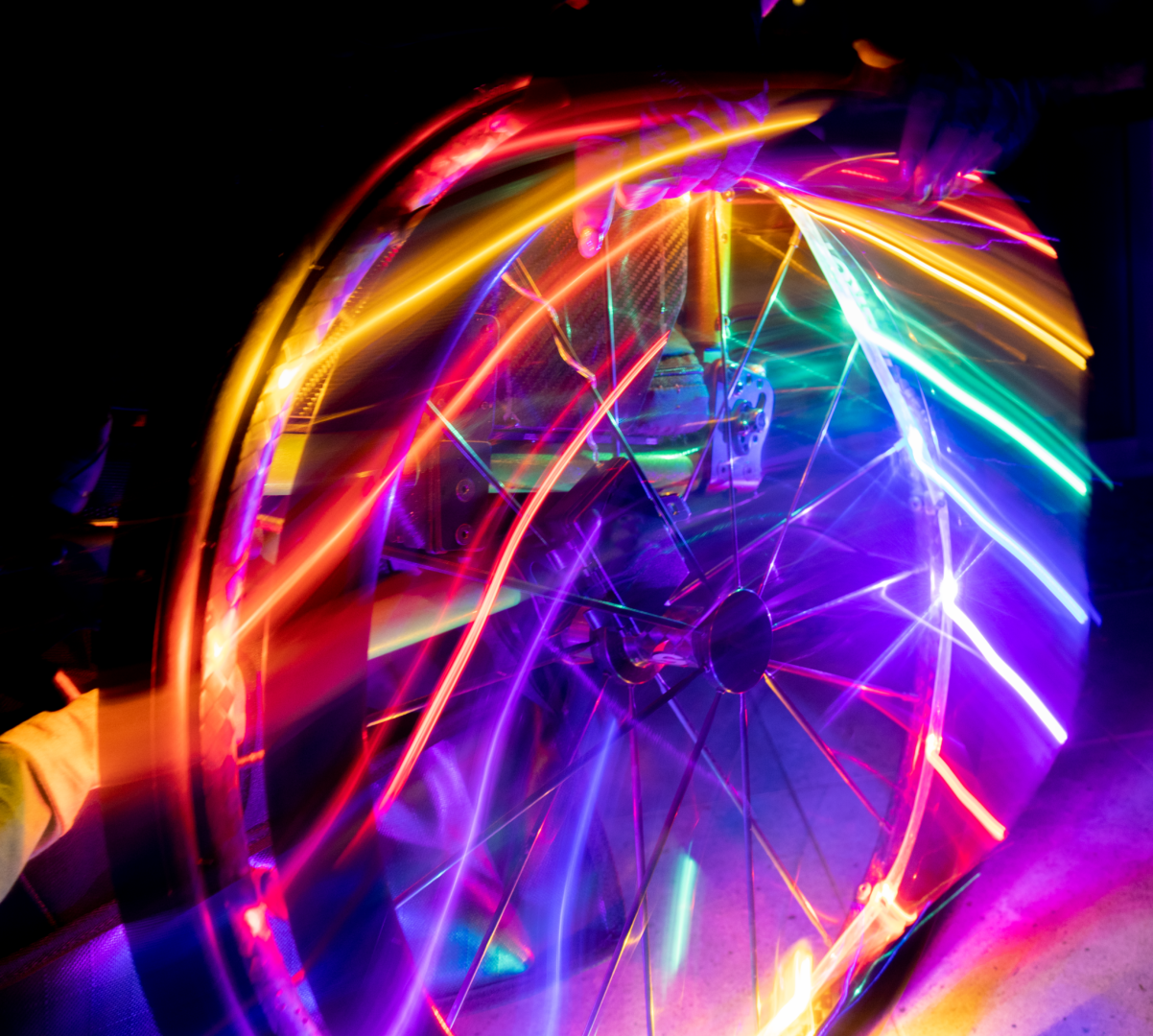
My wheelchair is a beloved companion that carries me from the streets to the dance floor. My rainbow wheel lights keep me safe on the roads at night, and they are also a source of powerful sensory joy. This photo is a long exposure self portrait taken with a tripod and external shutter release. It captures a moment of movement, freedom and euphoria.
Competition ID-18 ; (semicolon)
first of all its person with a disability and second of all it just dose, okay?
Competition ID-19 Flight Club
Flight Club is a poem about my search to find the feeling of wholeness after (and during) an experience of breaking. It reflects my experience of a highly gendered health care setting where around 10% or less of specialists are women, yet so many of the allied health nurses and physios nurturing us and getting paid less are female.
Competition ID-20 ORC Foot
ORC Foot is a story that describes my experience being diagnosed with my chronic pain condition. Everything about the experience and treatments is real, except my acronym is comprised of a different assembly of letters. My pansexuality isn’t terribly evident in this writing except in the ways that it is always present in my body and self.
Competition ID-21 Lived experience
It resembles my lived experience with a person with a disability and being queer
Competition ID-22 Living out and proud: The intersectionality between disabled and queer
My journey is all about discovering who I am and the person I want to become. From my teenage years on the track competiting in athletics to, 4 years later, discovering my style in fashion and exploring how I fit into the queer community as a disabled person.
Competition ID-23 Vision and Adventure
Competition ID-25 Sugarpeach Gumnut: The Adventures of a Neurodivergent Blossom
My comic Sugarpeach Gumnut is about the autisic/adhd experience and navigating a world that doesn’t accomodate people with disabilities. The character of Sugarpeach is inspired by my own experience as a disabled and queer person with mental health issues. I wanted to intentionally represent my experience as a bisexual and autistic female and also those of gender diverse people through the main character of Sugarpeach Gumnut dating a Seaweed character with they/them pronouns in the last episode. My hope is to share the neurodivergent experiences of Sugarpeach Gumnut with the autistic community so they can see their experiences reflected in a whimsical and creative style and feel represented. A sequel or second volume would reveal the ways Sugarpeach accepts her limitations, discovers new talents, goes on little adventures and enjoys her life.
Sugarpeach Gumnut: The Adventures of a Neurodivergent Blossom is my original work as an author and illustrator. I would love to win this prize to help self publish this graphic story.
Accessibility notice: This PDF contains illustrations and text embedded in images that may not be fully accessible to people using screen readers.
Competition ID-26 Normal
Normal is a poem about who I am. It defines who I thought I was and who I thought I needed to be, and it shows the things I had to face while doing it in very simple words that hold a much deeper meaning than simplicity, reflecting it being ‘normal’ and ‘simple’ but being anything but that with just your own interpretation. That’s all I want as a creator, is for my audience to feel involved and heard.
For further context I’m a trans man who struggles with functional neurological disorder (FND) and multiple different mental illnesses
Competition ID-27 The New Model: Some Assembly Required
A humorous approach to navigating the dating world as a gay man with a later in life physical disability.
Competition ID-28 Job Application
My piece explores the intersection of disability, LGBTQIA+ identity and employment, questioning whether workplaces are truly as inclusive as they claim to be.
Presented as a job application to be filled out by art exhibition attendees, a series of what appears to be routine administrative questions. However the final question exposes the uncomfortable reality of disclosing these aspects of ourselves can feel like a risk when seeking employment.
For LGBTQIA+ people with disabilities, the pressure to navigate the job market can extend beyond demonstrating skills and experience. It can mean questioning whether being honest about who you are will disadvantage you before you even get the chance to interview. This piece highlights the difficult choice between disclosing your identity and potentially facing discrimination, or withholding parts of yourself in hope of being given the same opportunities as everyone else.
By inviting viewers to complete the application themselves, Job Applications encourages them to confront these questions personally. It challenges the contradiction between the language of workplace inclusivity and lived experiences of people who may feel compelled to conceal aspects of their identity to be considered employable.
Ultimately they are asked- If we have to hide parts of ourselves to have a fair chance of employment, how inclusive are our workplaces really?
Competition ID-29 Invisibly Queer
My painting led to me trying to write an artist statement, which became a poem and then part of the creative piece itself. Invisibly Queer is how I feel most of the time as chronic illness has disabled me, taken my career, my hair, my ability to walk. I felt myself disappearing from the queer community and becoming less and less visible as the femme presenting women I used to be able to be.
Competition ID-30 “If Dick tasted like mango, I’d still be straight”
Writing saved my soul. From the moment I first put pen to paper, I was hooked. Songs, poetry, journalling, stories; the words poured out of me, filling page after page. In a world where my voice had been silenced through trauma and neglect, writing gave me a voice. Over the years, I have used writing to make sense of a world that can be very confusing. I have shared stories with others who are struggling and seen the way their eyes light up when they recognise a similarity in our stories, and I know how powerful the creative process is when it comes to healing.
I was struggling to find the intersection between disability and queer life in a way that I could explain, or that might make sense, because these things are just a small part of who I am. In the end, it was a random comment that finally gave me the opening line to try to explain a little bit about my life as a queer disabled person.
Competition ID-31 Beyond Labels: Finding My Voice, Embracing My Identity and Turning Experience into
My story, Beyond Labels, explores my journey of living with disability, embracing my authentic identity and discovering the power of using my voice to create positive change.
Throughout my life, I have experienced challenges involving stigma, misunderstanding, discrimination and societal expectations. These experiences have taught me that some of the greatest barriers people with disability face are not their disabilities themselves, but the attitudes and assumptions of others.
My story explores the importance of acceptance, including the right of LGBTQIA+ people with disability to express their identities without fear of judgement, exclusion or discrimination.
It reflects my belief that nobody should have to hide who they are to feel safe, respected or valued.
Through my lived experience, I have discovered a passion for advocacy, community connection and meaningful conversations.
As the founder of Hope in Action, I encourage kindness, compassion and understanding while challenging the stigma surrounding disability, poverty, inequality and social exclusion.
In October 2026, I also had the opportunity to speak at the Australian Social Policy Conference, sharing my lived experience and advocating for the voices of people who are often overlooked.
My creative story represents resilience, personal growth, self-acceptance and the importance of creating communities where diversity is celebrated.
Ultimately, I want my story to encourage others to embrace their authentic selves and remind society that every individual deserves dignity, equality, inclusion and belonging.
We do not need to be the same to deserve the same dignity.
Competition ID-33 Amsler Anarchy and the Devious Distortions of Domination
This poem draws on my lived experiences as a queer woman with acquired vision impairment. When I was born, it was assumed that I was straight, able-bodied, and would move through life according to the social expectations attached to those identities. Like many people, I was expected to follow a prescribed path and embody dominant ideas about what a “normal” life should look like.
I realised I was queer at eighteen, and at twenty-four I acquired a vision impairment. Both experiences fundamentally transformed how I understood myself and the world around me. They revealed the extent to which society privileges particular ways of being, seeing, loving, moving, and existing, while marginalising those who fall outside dominant norms. They also exposed how ableism and heteronormativity operate as powerful forces of social regulation, shaping assumptions about whose lives are valued, visible, and worthy of belonging.
Through parallel reflections on queerness and disability, the poem explores the expectations imposed upon me from birth and the pressure to conform to able-bodied and heterosexual ideals. The repeated refrain, “I wouldn’t call that living,” captures the disconnect between merely existing within restrictive social expectations and living authentically as oneself.
In contrast, the final stanza embraces self-determination, pride, and liberation. The imagery of rainbows, kaleidoscopes, colour, and breath reflects the joy, expansiveness, and possibility that emerge when those devious distortions of domination are rejected. Rather than diminishing my life, queerness and disability have expanded my understanding of what it means to be human and have enabled me to see both the violence of exclusion and the transformative possibilities of difference.
Ultimately, this poem is about reclaiming embodiment, identity, and belonging, joy, and finding a way of being that is finally, fiercely, authentically, living.
Competition ID-34 The reality of being a striptease artist and 78 er icon
My story is about invisible disability and living with lifelong trauma and is a positive framework about trauma informed practice and positive communication skills myself and others can practice to improve all our wellbeing – asking consent, requesting permission and resisting trauma dumping, emotional regulation and understanding intimacy and communication and consent.
Competition ID-35 Seedling
I have created a painting, and a short video speaking about this painting and what it means to me. It depicts a pair of outstretched hands cradling a precious little seedling. The hands to me represent the community members of queer and disability centered spaces. For young people especially, these spaces can be welcoming, uplifting, and nurturing. Everyone deserves an environment where they feel safe enough to grow, and that is where these hands are carrying this little seedling.
Competition ID-36 Coming Out
This story is about the intersectionality of Queer Identity and Disability Pride. It recounts the journey of a person who in the 90’s attended government funded workshops around queer pride to support people through coming out in a hostile environment when every institution was against people doing that. It juxtaposes the skills learned in those workshops reclaiming language around queerness, reframing purpose etc with the skills needed to have Disability Pride. It also looks at societal attitudes to queer relationships when disability is added to the mix. It basically tells a true story.
Competition ID-37 seventy percent
I’m bi-romantic, polyamorous, and chronically ill. Years of declining health and severe burnout prevented me from exploring polyamory practically. My partner of 15 years has been with me through my entire health journey. Recently, I (unintentionally and somewhat magically) met someone and this poem was written in the first months of dating them.
Just before our meeting, I made the decision to no longer pursue any institutional/medical support after several years of burning myself out further by attempting to navigate its bureacracy. Instead, I began using my limited spoons in other areas, choosing to focus on what brings me joy. I hadn’t considered dating, but shortly after, I met someone and was encouraged by my long-term partner to see what was there.
This poem grapples with the cycle of grief, acceptance, and letting go that is inherent in a dynamic disability. It details the process involved in managing being chronically ill, and how that process impacts all aspects of life. In pursuing ethical non-monogamy it was important that I was upfront about my disability, however I found talking about it while feeling relatively well more challenging than I expected. The poem explores what it means to be in a new relationship with an able-bodied person, particularly someone outside the disability community, and what experiencing an inevitable flare may mean when they’ve only met the stable version of me.
Having been in a loving long-term relationship that didn’t end when my health deteriorated, I know that in many ways I was lucky – statistics suggest he was likely to leave. Knowing this, the fear of somehow not being as lucky the second time felt heavier. The choice of letting go at the end of the poem is both in my control and out of it.
Competition ID-38 Quicksand
This is a short piece of creative writing about me and my friends’ and family’s experience navigating disabled life and Australian bureaucracy. The LGBTQIA+ part of my experience is only referenced vaguely, mostly because my queerness doesn’t really play a huge part in my life these days. I rarely even feel like a person anymore, just a bundle of worries wrapped in human skin. Only humans have the luxury of a sexuality, and these days I am a husk that pays bills and tries to care for the even more disabled people in my life. The memories of my life before caring and disability feel less and less real as time goes on.
The bulk of this piece was written in a fury at 3am on my phone on another sleepless night, my mind swirling about how myself, my beautiful fiancee, and so many people in the disabled community are stuck. Not because of our disability, but because the bureaucracy surrounding disability assistance in Australia keeps people trapped in stagnation.
Content warnings for my work are: Metaphorical violence and death. Dealing with Centrelink and the NDIS.
No AI was used in my work and never will be.
Competition ID-39 Still Kicking
It is a poem about recovering from a brain injury and some of the struggles faced.
Competition ID-40 A letter to myself
A piece reflecting on if I could tell myself sitting in my hospital bed what was to come, what would I say and let myself know about in advance.
Competition ID-41 The road to acceptance can be longer than the road to recovery
A short story about the importance of acceptance after a brain injury.
Competition ID-42 My Personal Rainbow
My storytelling provides a basic overview of the two relevant parts of intersectionality, different aspects of my experience (such as discrimination and misgendering), a few examples of my experiences and the positive way I use my experiences.
What I’ve submitted is an Easy Read document. All the text and illustrations are my work. No AI was used to generate content. There were other elements intended but I was unable to do those due to illness and other reasons. My submission’s intent was to be accessible over artistic presentation.
With each piece of text, the accompanying illustration was drawn to try and best represent what was meant as different aspects of my experience was explored.
A lot of study and research was involved to produce this Easy Read document, in order to make it as accessible as possible.
I also completed the Community Attitudes – Storytelling and Self-Expression module.
My legal name is intentionally omitted from the document in order to preserve my own privacy. If selected as a winning entry, please do not publish my personal information. This includes altering the filename if you publish it.
Competition ID-44 Lunchroom
As a queer person working in the disability sector, I learned about my own disability and connected with other people with disability. I wanted my story to be about the pain points I saw in my own life and saw in others at the intersection, especially those whose voice and autonomy are more restricted than mine.
Breaks are terrifying when you feel excluded. The workplace kitchen can be the scariest place of all. One day you share your coming-out story over coffee and donuts with a colleague you trust. The next day you are afraid to get your lunchbox from the fridge because you can hear that same colleague sharing your story with their work-wife.
Through this artwork, I want to change the way the kitchen feels. It can be a place of shared storytelling rather than workplace gossip. My tea towels let me take control of my story. The doodle placemats invite people to share their own stories informally and anonymously. I want to the share the details of the of stories behind my Easy Read stories, and I like the idea of releasing these stories secretly into the world to be collected alongside everyone else’s.
The upcycled ally tray combines the colours of the LGBTQIA+ Rainbow and Disability Pride flags. Serving a chance to share stories on a tray is an invitation to community and allies. We all have stories about wanting to belong. I found sitting down for a cup of tea and knowing when something is ally-friendly an easy way to get started. Sharing my story can help change community attitudes, but only so far. Other people need opportunities to share their stories, too. Being heard matters.
Ps Did you know tea towels were used for sharing information and social change in the early 1900s?
Competition ID-45 When family is safety
“When family is safety” shares four small snapshots of my family life. My intention is to show insight into my home life which includes my identity as a disabled, autistic, non-binary person. By sharing disabled, queer joy I hope to show how essential this is for my wellbeing. The way I tell a story is often out of order, or jumps from one topic to another. I have intentionally left my stories written in the way I might have told them verbally rather than to the point, to show people a little bit of how my mind works. When I considered how to share queer identity and disability, I thought a lot about everything that is hard and has been hard. I wondered how I could share my history of growing up in a conservative, regional community, and the history I have heard from my elders? Could I share something about all the terrible things that are going on now that would be new and helpful? There is a lot about my life that stresses and frightens me. This is also true for so many people around me. Now, more than ever, I rely on the moments of love and joy that I find with my family. This is essential for our survival. NDIS, health and housing are talked about as the critical issues they are. Community and connection as essential for our wellbeing are neglected. These stories are insight into what keeps me going and makes life worth it for me.
I have submitted this story in text and audio version to suit the audiences’ preferred format. Both versions are the same.
Competition ID-47 Not my Voice
The central theme is “fighting for the right to exist,” which I feel has been a significant struggle both as a trans person, and a person with disability. It expresses the dread and shame of pretending to be someone else to survive, conforming to a status quo where my our existence is seen as taboo. It also expresses the anxiety and loneliness of struggling to survive in a world that isn’t built for us.
Competition ID-48 I became
My story is recorded from bed, where I spend much of my life. I conversationally recite a poem (which seems the most succinct way to translate nuance and Big Things). You can see stereotypes scattered around my space. I describe becoming more disabled and coming to grips with that; finding solace in knowing that there’s nothing unique in my experience. I speak to my privilege, ignorance, and shame, knowing that everyone is imperfect and constantly evolving. My experiences of queerness and disability are inextricably linked to my community, and are inherently political. I speak to my community, in the hopes that more people will recognise the limits of their expertise and power when wielded in isolation: our greatest strength is collective.
Competition ID-49 Lucky Country
Lucky country is an autobiographical story exploring my experiences growing up as a black queer disabled girl in America and eventually finding a home in Australia. Throughout my childhood, I was repeatedly told how lucky I was, even when the circumstances of my life suggested otherwise. I grew up learning to put other people’s needs before my own, while religion taught me that my attraction to women with something shameful. At the same time, my disabilities were dismissed or misunderstood, teaching me to question my own experiences and minimising my needs. At 19, I survived leukaemia, but survival didn’t mean the end of illness or disability. Years later, I fell in love with a woman that brought me to Australia, a country where I found greater acceptance, access to healthcare and opportunities I had never imagined possible. I think that the story explores the contradictions of being grateful for those opportunities while recognising that people with disability still face significant barriers to quality, independent and belonging. I tried to use the traditions of black American oral storytelling, humour and irony to explore these experience without presenting my life solely suffering. There has always been joy, love and community alongside the hardship. Ultimately, I think Lucky country challenge is the idea that marginalise people should simply be grateful for what they’ve been given. It asked why surviving adversity is so often celebrated while the support and rights needed to thrive remain conditional.
Competition ID-50 I am the Most Fortunate Person I Know
My story is fictional. The characters are imaginary but based on real people. I hope to get it published and circulate it widely so people can see how far we have come in society’s treatment of people with disability and those in the LGBTIQ+ family. In writing, I draw from my life as a Queer person with the lived experience of disability. This includes my childhood and adolescent experiences living as an outsider. I am from an era when I was referred to as a “blind” and “crippled” and a “homo, fag, poof or queer.”. I used to go to events in a bus with “Society for Crippled Children” painted on the side. I was bashed by police in Kings Cross for being queer. I draw also on the experiences of close LGBTIQA+ friends and others who live with disability. I also draw upon the lived experience of knowing people with substance and mental health issues and my own struggles. Medical science and technology have improved my vision and my mobility. Yet I am still marginalised and an advocate for my people.
Competition ID-51 Change Comes In Three
My piece examines three incredibly important and pivotal moments in my life thus far. My first time as a child coming to understand that I am queer, when I began developing my auto-immune conditions at thirteen, and then navigating my mother’s brain tumour and ABI and becoming her carer.
The key thread linking these together are the feelings of confusion and uncertainty during such deeply emotional and turbulent experiences. To be understood is to be human, and these experiences have left me sometimes wondering if others understand me, and if I understand myself.
It is also a reflection for myself to understand how these experiences have shaped me, and will continue to shape me… and what comes next.
Competition ID-52 Intersected
Intersected is a short story outlining my experience growing up as an LGBTQIA+ person with disability. In my youth after being diagnosed with Crohn’s disease, I retreated further into myself and kept a lot of my life private. Growing up, I found through relationships that sharing these parts of myself, in particular related to my illness, benefitted both myself and the relationship (whether that be becoming closer through better communication, or the relationship ending). In the end, I found the person who is right for me.
Competition ID-53 See Me, Understand me
This is my story in Auslan about wanting to be understood and accepted as a Deaf, autistic and LGBTQIA+ person. This is about being misunderstood by society and the challenges even if I want connection. The story asks people to make an effort, respect me and accept me as I am.
Competition ID-54 Love Under the Law
My story is a memoir told in snapshots of various points in my life, illustrating some of the ways living at the intersection of being queer and disabled (my chosen terms for myself) has affected me. I’ve changed and condensed some details for storytelling and occasionally safety purposes, and de-identified the people mentioned, but preserved the emotional truth of my experiences. Content Warning: my story includes descriptions of mental illness, suicide, and medical trauma.
Competition ID-55 Queer Enough To March
My story is a personal narrative about finding my feet in Sydney’s queer community after diving headfirst into a job with an LGBTQIA+ organisation in 2022. Through my work organising Mardi Gras events between 2022-2024, I began to explore the dimensions of my own queerness in a supportive environment and discovered some unexpected connections with the disability community along the way.
The story follows my journey from feeling uncertain about where I belonged to deciding to march in Mardi Gras for the first time in 2025. I address the doubts I had about whether I could manage the physical and sensory demands of the parade, and the experience of finally joining the marchers. It culminates in a deeper understanding of myself as a queer disabled person, and the lessons I learned about the importance of visibility, community and being able to show up as my whole self.
Generative AI disclosure: ChatGPT was used in a supporting capacity for editorial feedback, spelling and grammar checks, and discussion of structure and wording. The story is my own work, based on my lived experiences and written in my own words. Generative AI was not used to write the story.
Competition ID-56 Genius
“Genius” is my song, first written as a poem when I was 17. It came from feeling different and trying to mask how hard things were. My ADHD wasn’t recognised until adulthood. Masking has damaged me while I’ve also been managing other health problems and a very impressive collection of autoimmune labels.
I want people to understand the toll of hiding your struggles. I hope my younger self, and anyone made to feel wrong because of how they think, knows they are not wrong. ADHD and autism are different ways of thinking. They don’t make someone less or more social, or better or worse. We are doing our best.
My hope is for NeuroVerse Week. “Genius” could be a first example of how schools and workplaces can include and educate people about neurodivergence and disability. People could share a verse, song, poem, rap or artwork. NeuroVerse could help us learn from one another, build connection and unity, and help fewer people feel separate.
Competition ID-57 CASSANDRA’S WORDS
I live with epilepsy. CASSANDRA’S WORDS is the true story of how I discovered I was epileptic. It explores how my disability changed my life, both in a personal and professional way. In essence, playing Cassandra opened creative doors I never expected.
Competition ID-58 The Weight of Time
I am disabled and work as a writer. A key part of my work is creating and exploring characters and how they deal with disability day-to-day. THE WEIGHT OF TIME started as a work during Covid. I came down with the illness, along with many others. Fighting isolation and staying in touch with family and friends became very important to me. The work also allowed me to admire via fiction my Auntie Val, who made her living stacking shelves at Tom the Cheap grocers.
Competition ID-59 How Can You Be Both?
My story is a mixed media audio and visual piece. The visual is a page from my AAC (alternative and augmentative communication) board describing the conflicts society perceives about being a person with a disability and AAC user, and being LGBTQ+. The audio is my AAC voice reading the story outloud.
Competition ID-61 Building connection – a triptych
The work is a short fictional story. It documents the interaction between two people who have very different approaches to how they think about disability in general, and their own disabilities in particular. My aim with this writing was to present arguments about the social model of disability and the benefit of universal accessibility in a working social context. I also wanted to represent neurodivergent people as full beings with flaws and feelings (in this case, romantic ones) as well as strengths – both strengths that flow from their disabilities, and strengths that are unrelated to disability at all.
With these three works, I am looking to interrogate my own neurodivergent strengths and challenges, and raise awareness of what “life on hard mode” can actually look like – my aim is to “live more loudly” and camouflage less when it comes to both my disabilities and my queerness.
Competition ID-62 Cries of a Golden Flower
A short animation and accompanying piece of prose about a golden flower that blooms and withers. The flower representing an identity I never wanted, but was forced onto me, and I still have yet to be rid of. The blooming representing how much potential I have, and the high expectations others had of me, now internalised into crushing pressure. The wilting representing how I couldn’t live up to those expectations, and how my disabilities feel like a weight dragging me down and drying me out. A metaphor for gifted kid burnout syndrome. I’m more poetic about it in the prose, I combined my feelings about my gender identity and the effects my disability has on my life into a cohesive narrative.
Competition ID-63 Our Symbiosis
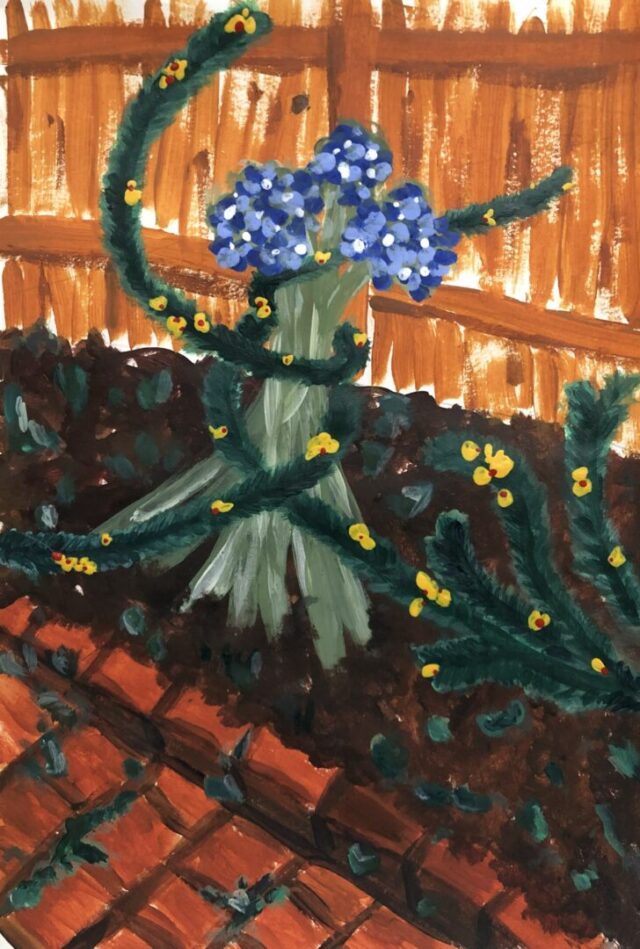
‘Our Symbiosis’ is a self portrait of my partner and I represented by plants in our sharehouse garden.
My partner and I have very different disabilities – mine are primarily physical, and theirs related to neurodivergence. Apart, we struggle. But together, we support each other in complimentary ways.
I am represented by the tall achillea flowers in the centre of the painting. These flowers grow up towards the sky, but eventually become too tall to hold their own weight. Without support, their stems sag or snap, just as I cannot perform many everyday physical tasks without injuring myself.
My partner is represented by the vine-like plant, myoporum. Myoporum acts as ground cover, grandly spreading across the earth but lacking direction – just as my partner struggles to maintain focus on tasks, or unfreeze from a state of overwhelm to move towards their goals.
In my fantasy depiction of these plants, the myoporum vines are able to reach new heights and grow in a clear direction by embracing the path of achillea flower stems, like how I help my partner find greater focus, clarity, and flow than they could achieve alone. Simultaneously, the vines let the achillea stand tall, just as my partner helps me with physical tasks I cannot complete myself.
Together, we are able to grow and thrive in this symbiotic relationship.
The real life achillea and myoporum that inspired this painting were not planted by my partner or I, but by our dear friend and housemate. Underpinning this painting is the knowledge that our relationship does not exist in a vacuum. Rather, it is grounded in the rich soil of support from the queer, disabled loved ones around us.
Voting form
ENDS